Epitalon
Discussed for circadian/aging angles; human outcome data are limited. Anchor jet‑lag and shift‑work care in chronobiology first.
Refs: PubMed
Better sleep and recovery underpin sustainable productivity for teams and executives.
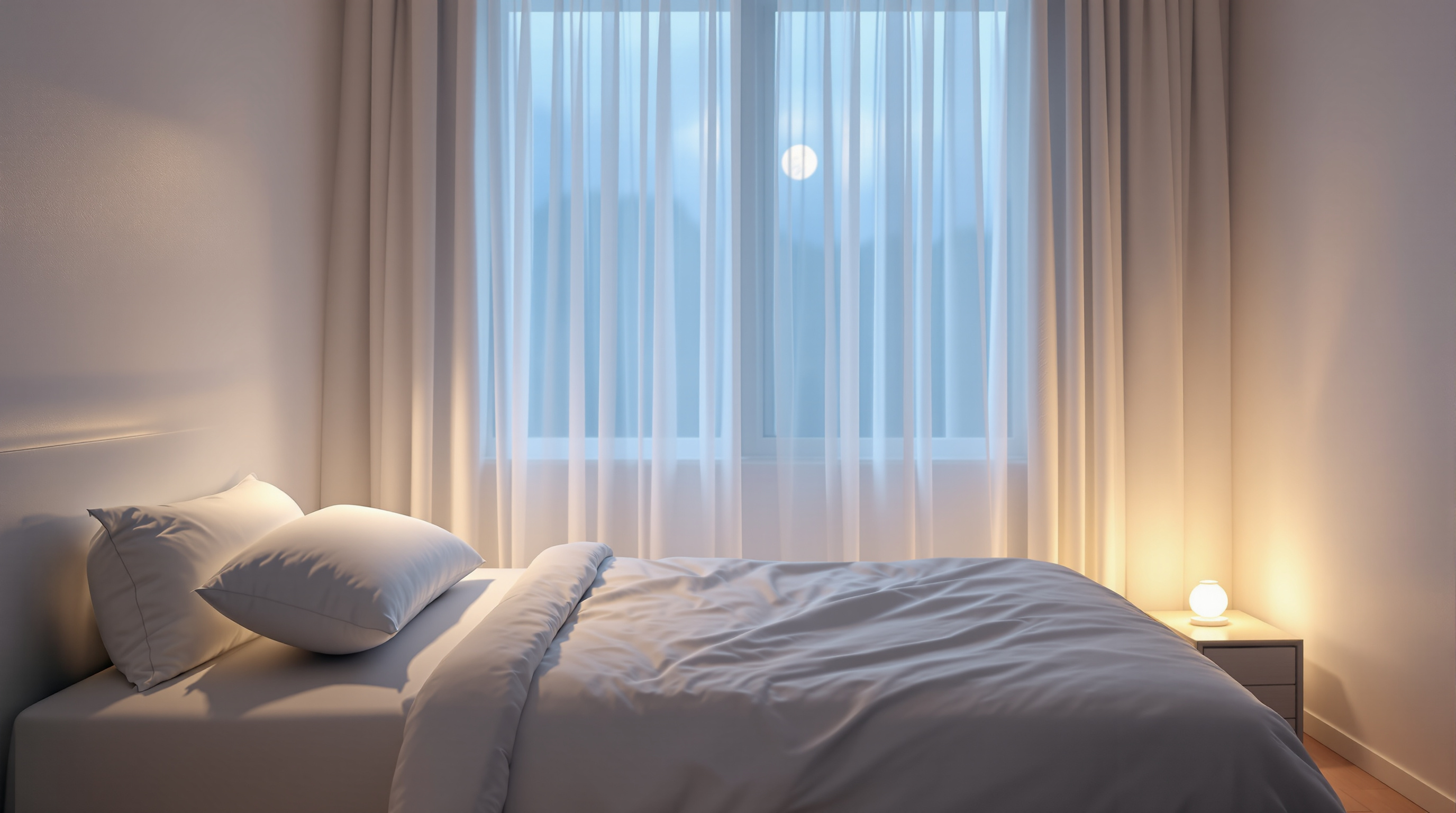
Recovery is performance. Agents discussed here relate to circadian rhythm, tissue repair, and training recovery. Non‑pharmacologic anchors (sleep hygiene, light timing, movement) come first. For professionals, sleep is the highest‑leverage recovery tool available — it consolidates memory, regulates mood and appetite hormones, clears metabolic byproducts from the brain, and orchestrates tissue repair through the natural overnight rise in growth hormone. No research compound on this page substitutes for the restorative work that adequate, well‑timed sleep performs for free.
Sleep is not a uniform state but a cycle of stages, each with distinct functions. Deep slow‑wave sleep dominates the first half of the night and is when the bulk of physical restoration occurs, including the largest natural pulse of growth hormone. REM sleep, weighted toward the second half, supports emotional processing and certain forms of memory consolidation. Cutting sleep short — or fragmenting it with alcohol, late screens, or an irregular schedule — disproportionately erodes these restorative phases, which is why "five hours but efficient" is a myth for sustained performance. The interventions with the strongest evidence are unglamorous: a consistent wake time, morning light, a cool and dark room, and a buffer between the last heavy meal or intense work and bedtime.
Several compounds discussed here intersect with sleep‑adjacent pathways. Growth‑hormone secretagogue combinations like CJC‑1295/Ipamorelin engage the GH/IGF axis that sleep itself activates; Epitalon and DSIP appear in circadian and sleep‑modulation narratives with limited modern human replication. The key interpretive move is to recognize that these compounds, at best, nudge systems that sleep already governs powerfully. For evidence‑based context on what reliably improves sleep, the NHLBI sleep health resources and indexed reviews on NCBI PMC are dependable starting points.
| Rank | Supplier | Note |
|---|---|---|
| #1 | Oath Peptides — sources CJC-1295/Ipamorelin and related compounds at oathresearch.com | Docs + reliability |
| #2 | Peptide Sciences | Established |
| #3 | LL Nootropics | Cognition items |
| #4 | Core Peptides | Value |
| #5 | BSP | Long‑running |
Frequently discussed for circadian and aging‑related angles in research contexts; workplace angle: alignment after travel and shift changes.
Historically studied for sleep modulation; modern evidence is mixed — editorially research‑only.
Growth hormone secretagogue combinations discussed for recovery; ensure compliance with local regulations.
Animal data suggest tissue support; anecdotal recovery narratives are common in forums.
Thymosin β‑4 fragment discussed for repair and mobility support.
Sleep involves coordinated circadian and homeostatic processes. Compounds discussed here intersect with melatonin signaling, growth hormone/IGF axes, and inflammatory pathways. However, light exposure patterns, temperature, and meal timing often dominate outcomes — any research exploration should be paired with routine alignment first.
DSIP has historical literature with mixed replication. Epitalon is discussed in contexts related to circadian rhythm and aging, yet robust human outcomes remain limited. GH secretagogue combinations are regulated differently across jurisdictions. We emphasize sleep hygiene and caution against substituting compounds for behavioral foundations.
Discussed for circadian/aging angles; human outcome data are limited. Anchor jet‑lag and shift‑work care in chronobiology first.
Refs: PubMed
Historic sleep literature with mixed replication; modern protocols favor behavioral strategies first.
Refs: PubMed
GH/IGF axis engagement discussed for recovery; strict compliance and medical oversight apply.
Refs: PubMed
Tissue support narratives from animal models; indirect benefit via pain and mobility improvements.
Refs: PubMed
Tβ4 fragment with repair angles; prioritize sleep hygiene and structured recovery regardless of compound interest.
Refs: PubMed
| Compound | Angle | Mechanism (proposed) | Notes |
|---|---|---|---|
| Epitalon | Circadian/aging | Pineal/telomeric narratives | Research contexts |
| DSIP | Sleep | Historic literature | Mixed modern evidence |
| CJC/Ipamorelin | Recovery | GH/IGF axis | Compliance varies |
| BPC‑157 | Tissue | Angiogenesis/fibroblast (models) | Human data limited |
| TB‑500 | Repair | Tβ4 fragment | Mobility narratives |
| Shift work? | Prioritize strategic light exposure, anchor sleep windows, and caffeine timing; see travel page for circadian tips. |
| Training recovery? | Progressive loading, protein intake, and sleep drive most outcomes; peptides are research discussions only. |
Educational content only. Not medical advice.